I-CAR Gold Class Certified Collision Center
Why I-CAR Gold Class Certification Changes How We Repair Your Vehicle
I-CAR Gold Class is technical training that evolves with vehicle design. Modern vehicles are engineered with advanced high-strength steel, aluminum structures, and integrated safety systems that require specialized knowledge to repair the structural integrity your vehicle was designed to provide. Our technicians know OEM repair procedures, material-specific techniques, and the structural requirements built into today’s vehicles. We also must invest in state-of-the-art equipment and continue training to stay certified.
ADAS Scanning: What It Is, Why It’s Required, and When We Do It
Advanced Driver Assistance Systems (ADAS) such as collision warning, lane departure assist, blind spot monitoring, and automatic emergency braking rely on calibrated sensors, cameras, and radar units. A collision shifts those systems out of alignment even when the damage looks minor.
We Perform ADAS Scanning and Recalibration at 3 Critical Checkpoints
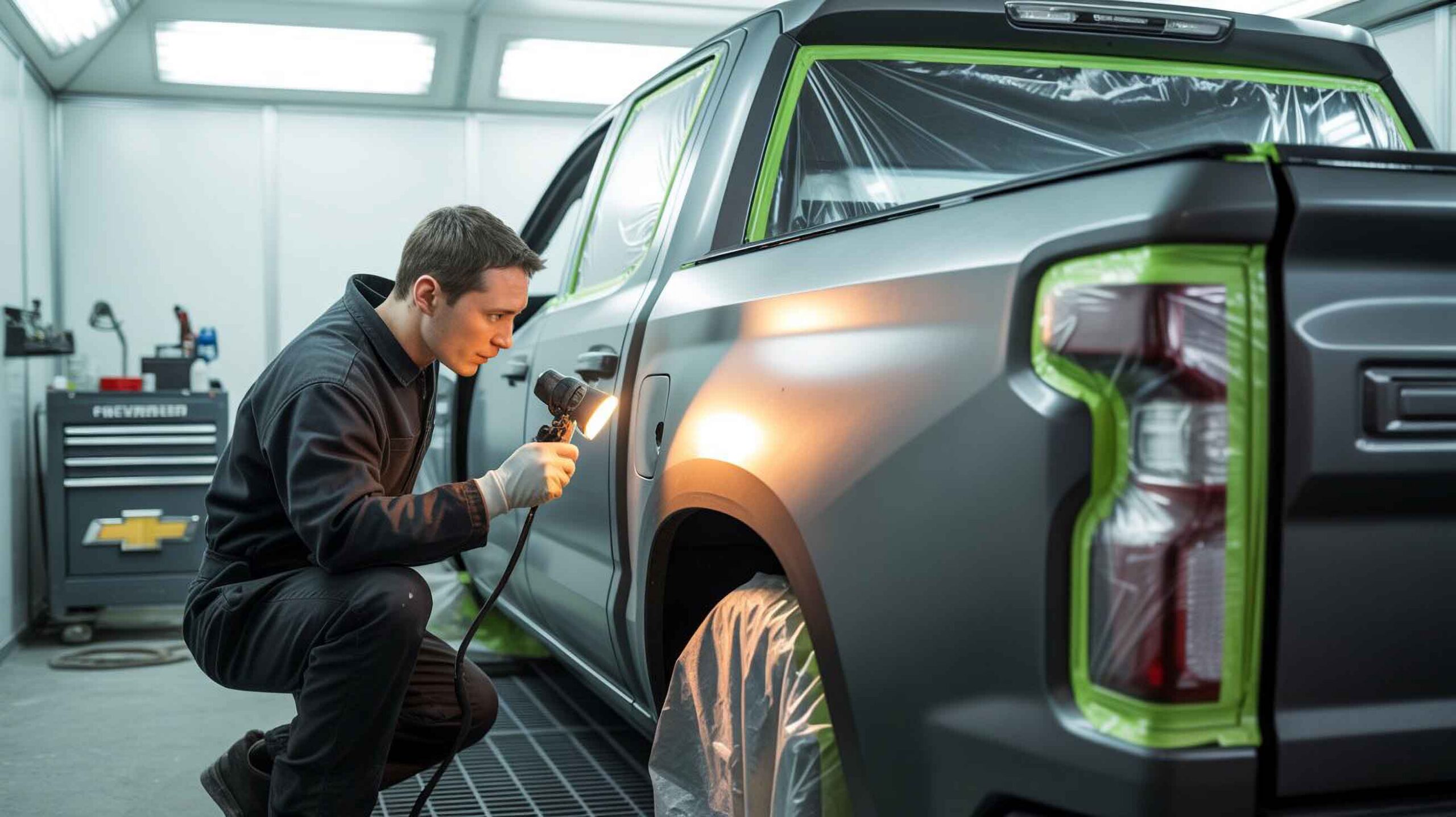
At drop-off, identify any pre-existing system faults. When repairs begin, confirm system status before structural or panel work proceeds. At repair completion, verify all safety systems are restored, recalibrated, and functioning to manufacturer specifications. This three-stage verification process is what separates certified collision repair from basic bodywork. It confirms that your vehicle meets safety standards before it leaves our facility, so you know the systems designed to protect you are working as intended.
Collision Repair You Can Verify, Not Just Trust
When you bring your vehicle to Jim’s Auto Body, you’re getting Gold Class-trained technicians, OEM-aligned repair procedures, and a documented ADAS recalibration workflow.



I-CAR GOLD CLASS
Gold Class status supports consistent quality across all three Jim’s Auto Body locations. It signals that we take training seriously and invest in the right repair approach for modern vehicles. It also supports a culture of doing the job correctly, even when the damage looks simple at first. This matters because hidden damage often sits behind bumpers, lights, and trim.
We pair Gold Class training with steps that protect safety and performance. We perform ADAS scanning at drop-off, at the start of repairs, and when repairs are complete. This helps confirm systems operate correctly after repairs and supports proper restoration when recalibration is required. You pick up your vehicle with more confidence because we verify more than just the appearance.
I-CAR GOLD CLASS
Gold Class status supports consistent quality across all three Jim’s Auto Body locations. It signals that we take training seriously and invest in the right repair approach for modern vehicles. It also supports a culture of doing the job correctly, even when the damage looks simple at first. This matters because hidden damage often sits behind bumpers, lights, and trim.
We pair Gold Class training with steps that protect safety and performance. We perform ADAS scanning at drop-off, when repairs begin, and when repairs are complete. This helps confirm systems operate correctly after repairs and supports proper restoration when recalibration is required. You pick up your vehicle with more confidence, because we verify more than appearance.
Training-backed repairs, performed by people who stay current.
I-CAR Platinum Certified Technicians
Platinum certification is ongoing education beyond Gold Status, not a one-time course. Our technicians use that training to work with current vehicle construction and repair methods. That matters because even a “minor” collision can affect fit, structure, and the operation of safety systems.
Platinum training also supports better planning and fewer delays. Jim’s Auto Body technicians understand what to look for, can spot issues earlier, and help keep repairs moving. That includes identifying when a vehicle needs scanning, calibration steps, or additional checks. You get a repair process is organized and controlled, not reactive.
Why Choose Jim’s Auto Body
Choosing a collision center comes down to trust. You want the repair done right, and you want the process to feel clear. We’ve served the Bay Area since 1962, and we still treat customers like neighbors. We also back our work with support services that make a stressful situation easier.
Why Choose Jim’s Auto Body
Choosing a collision center comes down to trust. You want the repair done right, and you want the process to feel clear. We’ve served the Bay Area since 1962, and we still treat customers like neighbors. We also back our work with support services that make a stressful situation easier.
A Bay Area body shop built on quality, craftsmanship, and collision repair excellence.
Jim’s Auto Body started with hands-on work and early mentorship. Inspired by his father Raymond, Jim began working on cars at 12. In 1962, at only 19, Jim opened his first shop in Port Chicago. Six months later, he moved to Concord, where the shop grew into one of the most reputable and trendsetting body shops in the San Francisco Bay Area.
As demand grew in Contra Costa County, Jim expanded to serve more local drivers. He opened the Antioch location in 1986 and the Walnut Creek location in 1992. That history matters because it created a culture of accountability and community focus. Today, we still run our shops with a friendly, family-like atmosphere and a commitment to doing the job right.



Get A Free Estimate
From Our Customers
An I-CAR Gold Class collision center requires ongoing training coverage across key roles in the shop as repair procedures change. In plain terms, Gold Class means Jim’s Auto Body invests in up-to-date repair knowledge and builds repairs around manufacturer standards, not shortcuts, so you know your vehicle is repaired correctly.
I-CAR Gold Class is a meaningful bar because not every shop keeps up with the required training year after year. Industry reporting noted about 8,880 Gold Class shops in 2020, even as I-CAR rolled out tougher rules that made it harder for many “legacy” Gold Class shops to keep the designation. Put another way, Gold Class typically represents only about 10%–15% of U.S. collision repair shops, which is why it’s important to know Jim’s Auto Body is certified.
That exclusivity usually comes with real investment. Jim’s Auto Body invests heavily in ongoing training (estimating, structural, non-structural, and refinish) to keep their teams current as vehicles change. They also invest in equipment and repair processes that match modern vehicle design, including advanced materials and safety systems that require careful verification.
As a result, our collision repair continues to evolve. When you see I-CAR Gold Class, you know we have the training and tools for safe, correct auto body repairs.
Only about 10%–15% of collision repair shops in the U.S. earn I-CAR Gold Class status. That puts Jim’s Auto Body in a smaller group that commits to ongoing training. Gold Class means the team stays current in key areas such as structural and non-structural repair, refinishing, and estimating. It’s a strong signal that we are prepared to repair today’s vehicles using modern methods and current standards.
The exact percentage can vary from year to year because the total number of active collision repair businesses changes, and I-CAR updates its requirements over time.
What matters for you as a customer is the practical takeaway: only a minority of shops maintain Gold Class because it requires consistent training coverage across roles, not just one trained person in the building.
I-CAR Gold Class usually signals three things.
First, our body shop takes training seriously and keeps it up to date, which matters because vehicle materials, electronics, and OEM procedures keep changing.
Second, our body shop follows a more structured repair process because training is directly tied to proper repair planning and execution.
Third, will know we do complete repairs and restore function and safety systems, not just appearance.
I-CAR Platinum is an individual credential. It recognizes technicians (and other collision repair professionals) who complete advanced role-based training and continue learning as I-CAR updates coursework. Platinum matters because the quality of your repair depends on the people performing and overseeing the work, not only the shop’s name. When you see “Platinum,” you’re looking at ongoing education tied to real repair decisions.
Think of Gold Class as the shop-wide commitment and Platinum as the individual commitment. Gold Class means the shop maintains required training coverage across key roles. Platinum means the people on the floor and in the process have completed advanced training for their roles. Together, they support a repair culture where teams keep learning and keep procedures current.
Gold Class training aligns with the idea that modern repairs should follow OEM repair procedures and current industry standards. Many vehicle makers also operate OEM certification programs, and I-CAR supports the industry through training and network programs connected to those expectations. The big benefit for you is confidence that the shop understands how to research and apply the right procedure for your vehicle, instead of guessing. If your vehicle requires OEM-specific steps, we build those into the plan.
We use a consistent, step-by-step repair process and keep our team’s technical training updated. We also perform ADAS scanning when your vehicle is dropped off, when repairs begin, and again when repairs are complete. That helps verify that safety and driver-assist systems communicate correctly after repairs and that calibrations happen when required. It’s one more way we turn training into repeatable quality.
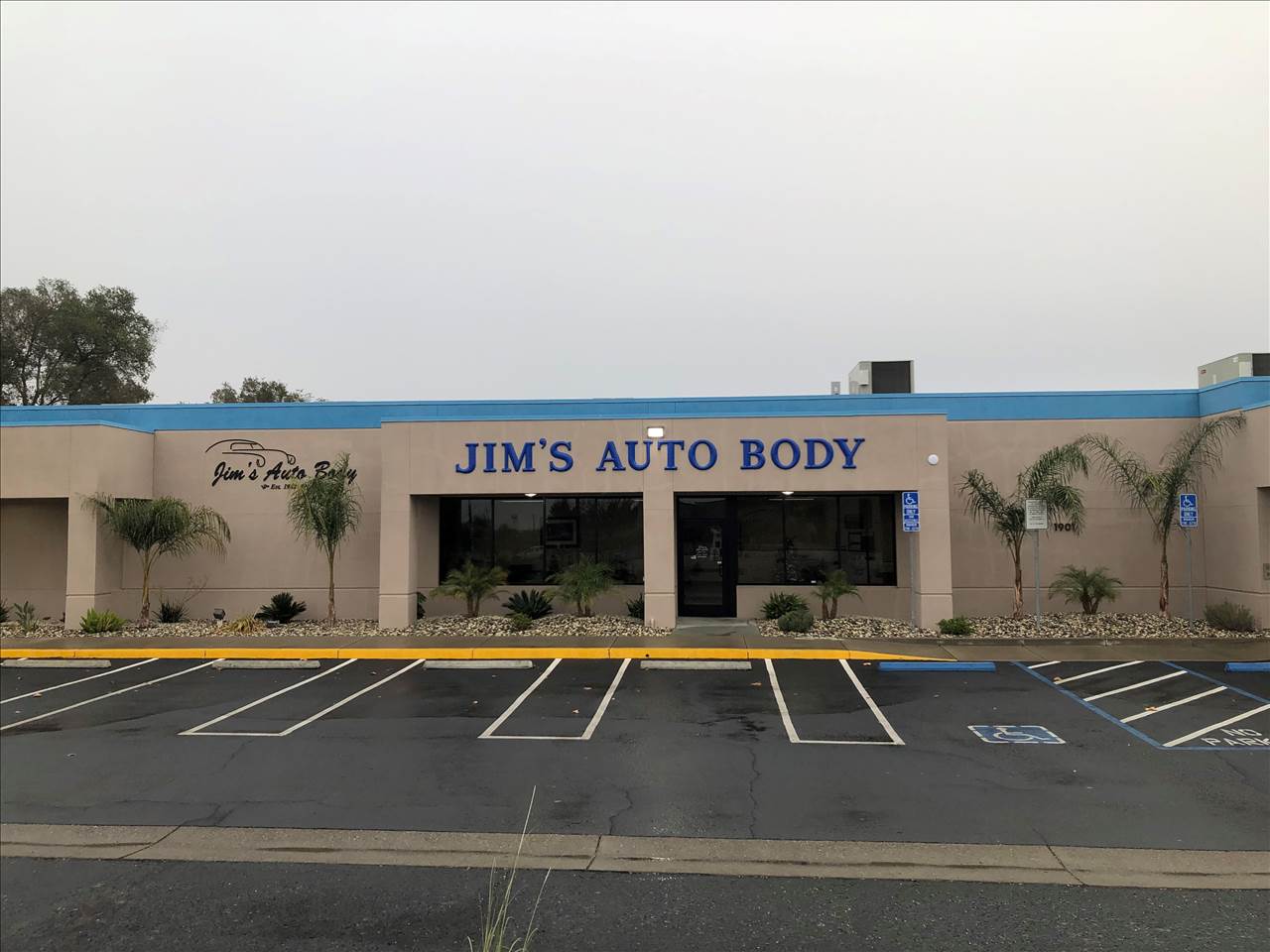
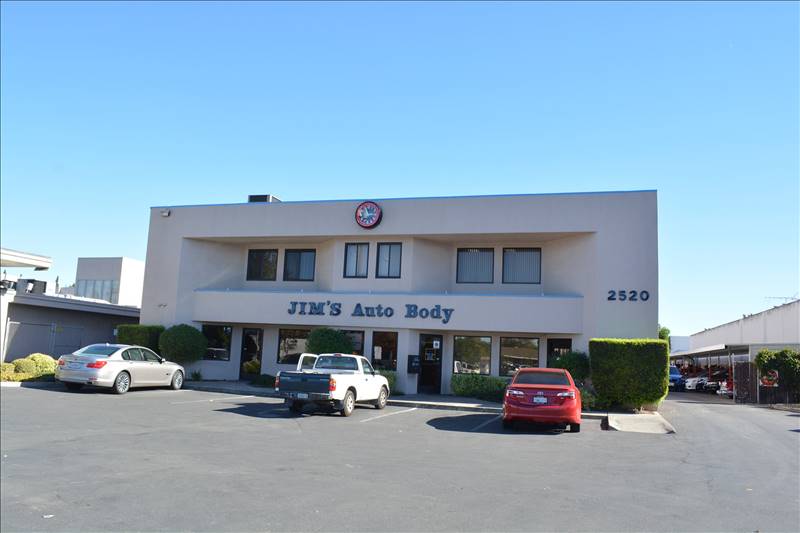
Yes—Jim’s Auto Body is an I-CAR Gold Class certified collision center serving the East Bay with locations in Antioch, Concord, and Walnut Creek. That means you can choose the location that works best for your commute and still expect a training-backed process. You’ll also find the same friendly, family-like atmosphere at each shop. We’ve served the Bay Area since 1962, and we work hard to earn that trust every day.
We’re family owned and have served the Bay Area since 1962. We invest in state-of-the-art equipment and ongoing training to stay current. We’re also Bay Area Green Business Program members, which reflects responsible practices in the community we share. Most important, we keep communication simple and treat customers like neighbors, because that’s how long-term trust gets built.